Heart Health Close to My Heart
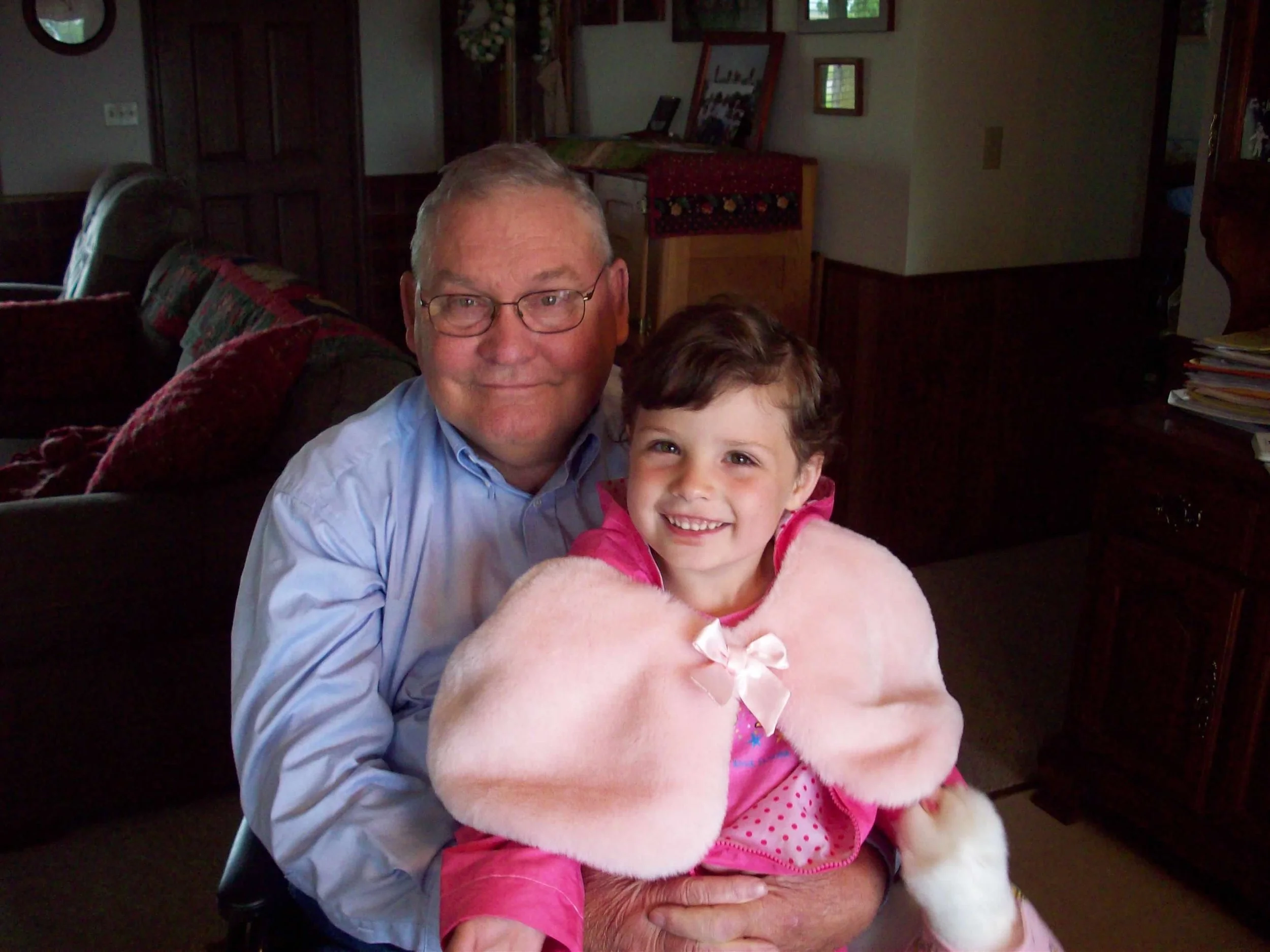
Heart health has always been close to my heart — literally and figuratively.
When I was younger, my grandpa had a massive heart attack. The kind that should have taken his life. I grew up hearing the story — how serious it was, how uncertain things felt, how close we were to losing him.
And yet, we got ten more years.
Ten more years of holidays. Ten more years of conversations. Ten more years of ordinary days that meant everything.
Those years weren’t guaranteed. They were a gift.
He got to meet all of his grandkids. Cheer at sporting events. Ride tractors in the fields he loved. Moments that could have been lost — but weren’t.
Studying the anatomy and physiology of the heart at Logan University has made that story hit differently. I’ve realized just how fragile and incredibly resilient the heart is. The massive heart attack he had should have killed him, no doubt about it. And yet, he survived.
Ten more years.
Every beat matters more to me now because I understand what’s behind it — electrically, structurally, physiologically. That’s why Heart Health Month hits so close to home.
When It Became Personal
I didn’t know then that heart health would become personal in another way.
In high school, I started fainting. What we first brushed off as stress or hormones led to cardiology appointments, heart monitors, tests, and a lot of unknowns.
Eventually, I was diagnosed with an arrhythmia — episodes of second- and third-degree heart block, where my heart literally drops beats. Not exactly what a 17-year-old expects to hear. Later, I was also diagnosed with POTS, a form of autonomic dysfunction that makes my heart race abnormally when I stand.
Some days it’s subtle. Some days it’s impossible to ignore.
For a few years, from ages 17 to 22, I had a small loop recorder implanted to continuously monitor my rhythm. Living through that at a young age made me deeply aware of my heart — not in a dramatic way, but in a steady one.
Sometimes I’m still scared. That part is honest.
Because when it’s your name on the monitor, it’s not just numbers. It’s your heart.
And once it’s personal, it changes you.
Especially Here at Home
My story is personal — but it isn’t rare.
Heart disease is still one of the leading causes of death in Missouri. The CDC continues to report high rates of cardiovascular disease across our state.
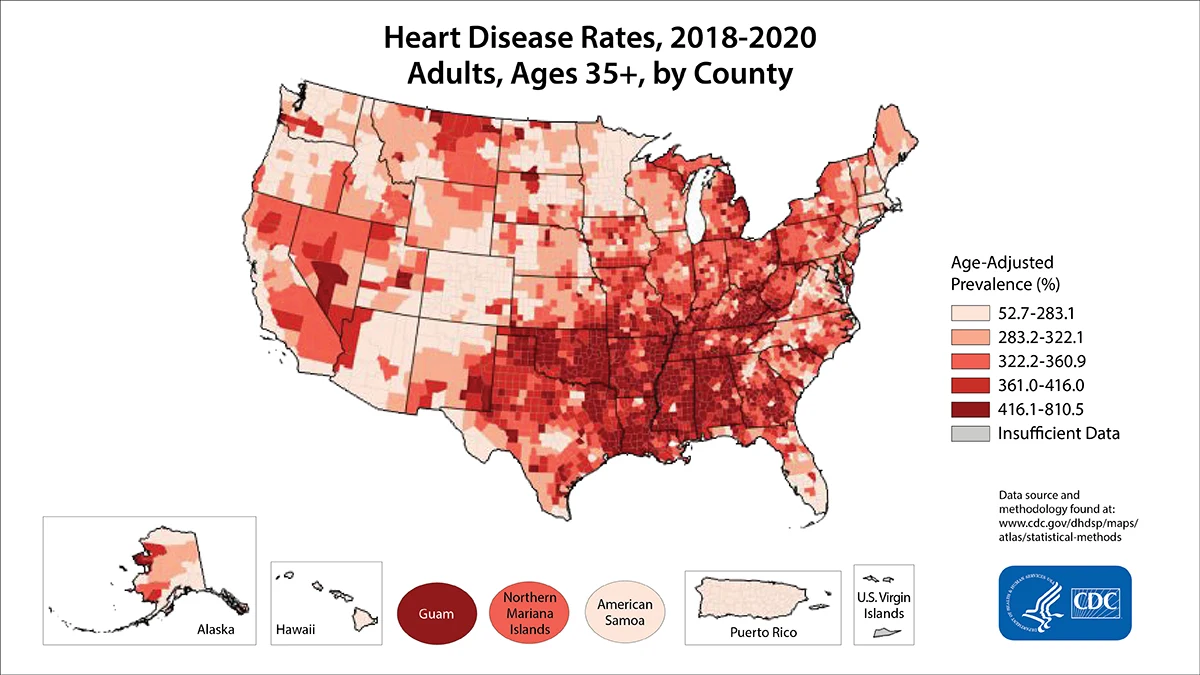
If you look at the map above of the United States showing the prevalence of heart disease, that’s broken down by state and then by county in shades of red. Our home, Montgomery County, is in the darkest shade of maroon, showing an age-adjusted prevalence of 416 cases per 100,000 adults. That means hundreds of people in our community are living with heart disease — real families, real neighbors, real lives.
That’s not just data to me. That’s our community. That’s families we know. That’s people sitting in waiting rooms just like I have.
And it makes me feel even more strongly that this conversation matters.
Why I Care So Much About Exercise and Diet
I can’t control my genetics.
I can’t control every diagnosis.
But I can control how I move my body and how I fuel it.
Exercise isn’t about perfection or hours in the gym. It’s about consistency — small choices that strengthen your heart over time.
Nutrition isn’t about perfection either. It’s about consistency. Whole foods. Fiber. Protein. Healthy fats. Less ultra-processed food.
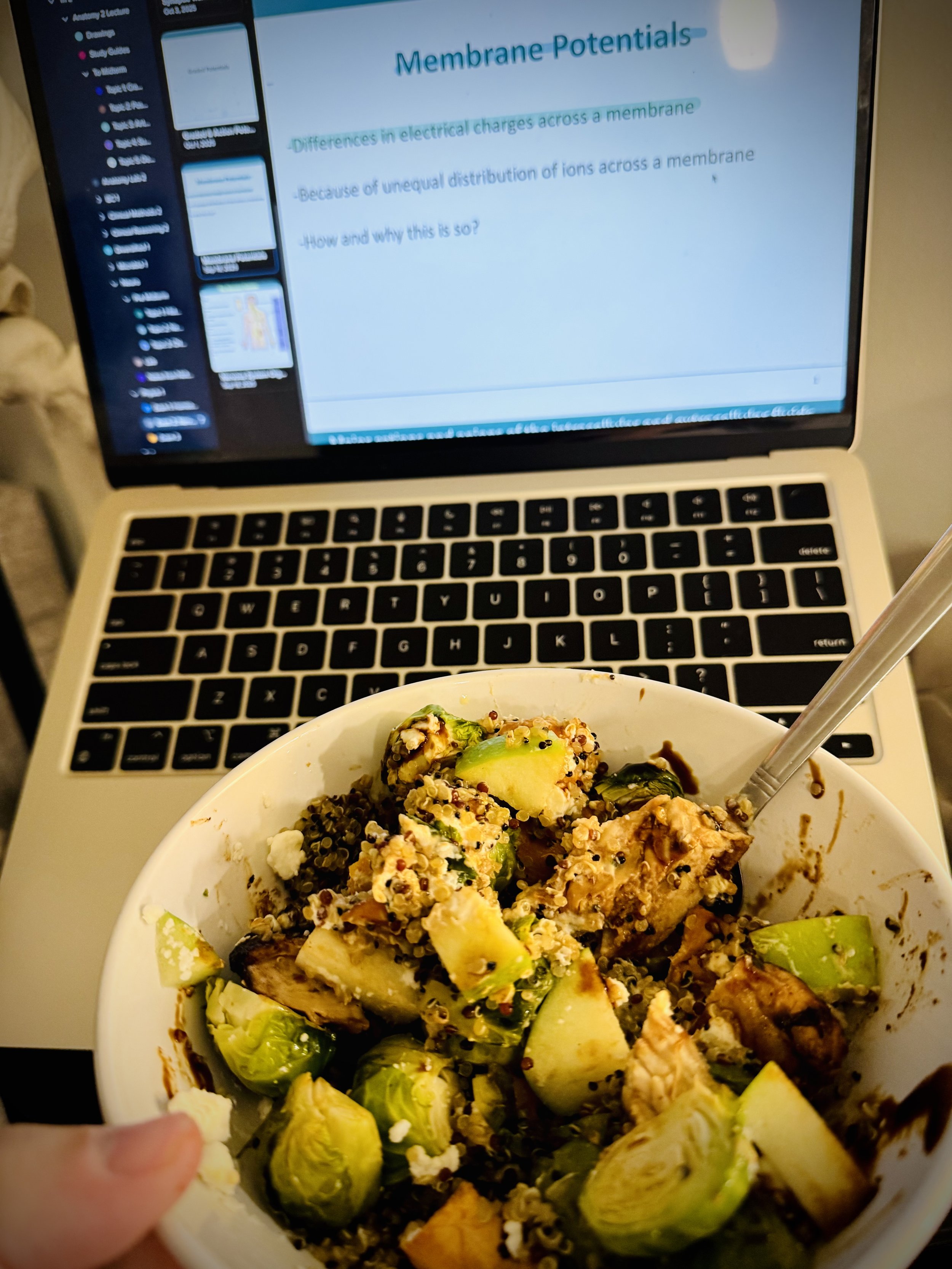
And at our office, we truly try to live that out.
The Meyers, Angie, Dr. Hayden — all of us make time to move and eat intentionally, even with busy schedules. Not because we have endless free time, but because we believe prevention starts now — not someday in the future.
We don’t preach it — we practice it.
Angie brings a balanced lunch every day.
Dr. Meyer keeps a protein smoothie part of his routine.
Dr. Hayden keeps simple, healthy snacks on hand.
I reach for quick options like RX bars or trail mix on busy days — and on extra hectic weeks, even something as simple as a salad kit with rotisserie chicken gets the job done.
It doesn’t have to be fancy. It just has to be intentional.
Heart disease develops slowly.
And so does prevention.
Small decisions, repeated daily, add up.
If This Sounds Like You…
If you’re busy…
If you feel overwhelmed…
If you think, “I don’t have time for a full workout” —
Please hear this: Something is better than nothing.
Even 10-minute increments of movement matter.
A short walk. Taking the stairs. Stretching before bed. Packing one balanced meal instead of grabbing fast food.
You do not need to be perfect. You just need to start.
We don’t get to control every outcome. But we do get to choose how we care for the body we’ve been given.
And those small choices — repeated over time — matter more than we realize.
We’re in it with you.
My Why
When I think about my grandpa, I think about those ten extra years.
When I think about my own journey — the monitors, the testing, the unknowns — I’m reminded how precious each heartbeat really is.
Heart health is close to my heart because it’s personal.
It’s family.
It’s my story.
It’s my community.
And if you take one small step today — even just ten minutes — that matters more than you think.
Your heart is worth that effort.
Always. 🤍