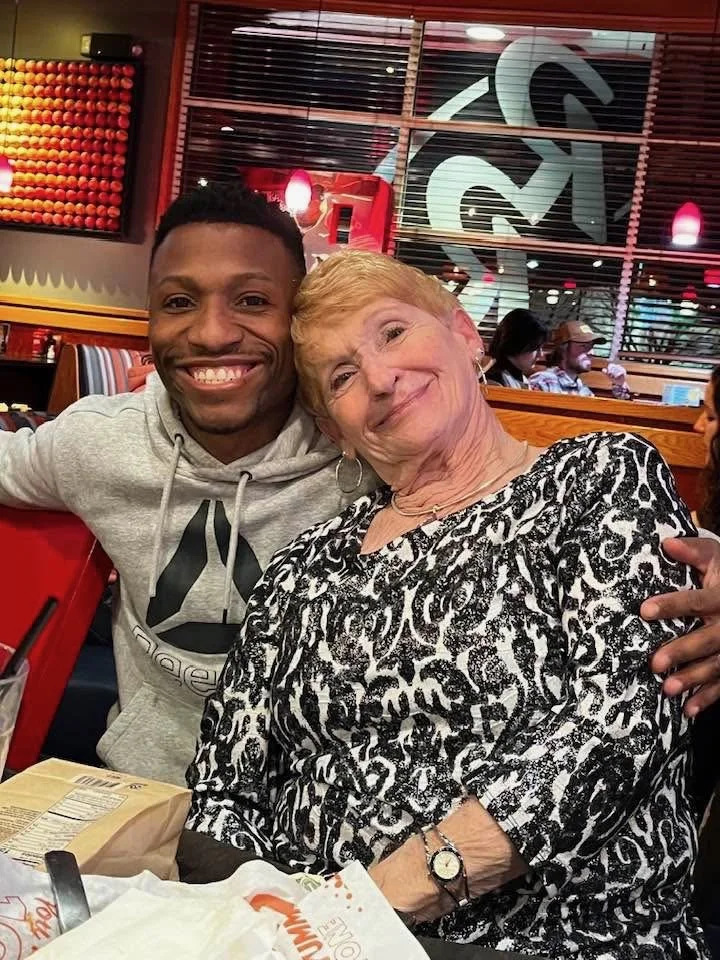
My wife's grandmother, Sandy, is 81 years old, you would think she was 60– one of the things I appreciate about her is how active she continues to be. She walks her dog, keeps up with cleaning around the house, makes her trips to Walmart, and enjoys getting together with friends and family for dinner.
When you think about it, none of those things sound particularly extraordinary. They're just part of her everyday life. But that's exactly what makes them important.
As we get older, being able to do those everyday things is something we can easily take for granted. Walking through the grocery store, taking care of our homes, or spending an afternoon with family might not seem like much until those activities start becoming difficult.
As a chiropractor, I want my patients to be able to keep doing the things they enjoy for as long as possible. And I think a big part of that comes down to how we take care of ourselves along the way.
Taking Care of Your Body Before It Slows You Down
Something I talk about with my patients is what I call the four pillars of health: nutrition, adequate sleep and rest, chiropractic care, and exercise.
I don't believe there's one single thing that keeps us healthy. It's the combination of habits we develop and maintain over time that can make a difference.
Nutrition is one of those foundations. Our bodies need proper nutrients to support our muscles, bones, and joints. That doesn't mean every meal has to be perfect, but the choices we make consistently matter.
Sleep is another area I think people sometimes overlook. We put our bodies through a lot during the day, and rest gives them an opportunity to recover. Even the discs in our spine experience changes throughout the day. As we're upright and moving, they gradually lose some fluid under compression. When we lie down and rest, they can reabsorb fluid. It's one of the many reasons I encourage patients not to underestimate the importance of adequate rest.
Then there's exercise. And when I say exercise, I don't necessarily mean going to the gym five days a week. I think Sandy is a great example of that. Walking her dog, keeping up with her home, and getting out and about are all ways she incorporates movement into her routine.
Of course, strength training, balance exercises, and other forms of physical activity are important, too. But I always want people to understand that staying active can start with something as simple as taking a walk.
Chiropractic care is another part of how I approach musculoskeletal health. My goal is to help patients address problems affecting their movement and function, whether that's a new injury, ongoing discomfort, or changes they've started noticing in their everyday activities.
To me, these four pillars go hand in hand. Taking care of your body isn't something you do once in a while. It's something you build into your everyday life.
It's About More Than Just Pain
One thing I pay attention to when working with patients is how they're functioning outside of the office.
Are they able to do the things they normally do? Have they started avoiding certain activities because they're uncomfortable? Are they noticing more stiffness or having trouble moving the way they used to?
These are important questions because pain isn't always the only indication that something has changed.
For some of my patients, we establish a plan of ongoing care based on their individual needs and goals. Some choose to come in once a month, while others may come in twice a month.
But that doesn't mean we simply continue doing the same thing regardless of how they're feeling.
If someone starts experiencing increased stiffness, decreased range of motion, or new pain, I want to know about it. The same goes for a fall, an injury, or difficulty doing activities that were previously manageable. Those changes tell me it's time to take another look at what's happening and determine whether their care needs to change.
Sometimes that means moving from maintenance care to active treatment, and then reassessing once the problem has improved.
What matters to me is that we're paying attention to the person, not just following a schedule.
Staying Active Looks Different for Everyone
I think it's easy to compare what we're able to do now with what we could do 10 or 20 years ago. And while aging naturally brings changes, I don't think that means we should stop finding ways to stay active.
For some people, that might mean continuing to play golf or work in the garden. For others, it might mean being able to get down on the floor with their grandchildren, take a walk around the neighborhood, or make it through a shopping trip without feeling like they need to sit down.
Everyone's goals are going to look a little different.
That's one of the things I enjoy about working with patients at different stages of life. What matters to one person might be completely different from what matters to someone else, and I think our approach to their care should reflect that.
When I think about Sandy, I don't think about how many steps she's getting each day or whether she's following a particular exercise program. I think about the fact that she's still able to enjoy so many of the things that make up her everyday life. Most especially spending quality time with us her grandchildren and best of all—our children, her Great Grandkids!
And ultimately, that's what I want people to think about when it comes to taking care of their health.
It's not just about how you feel today. It's about giving yourself the opportunity to keep doing the things you love in the years ahead.
Whether that starts with a daily walk, making more time for sleep, improving your nutrition, or addressing a problem that's been limiting your mobility, those small decisions can add up over time.
At Meyer Chiropractic, Acupuncture & Nutrition, I enjoy helping patients work toward their individual goals, whether that's getting back to an activity they love or maintaining the mobility they need for everyday life. If you've noticed changes in how you're moving or feeling, I'd be happy to talk with you about how we can help.